
Article-at-a-Glance
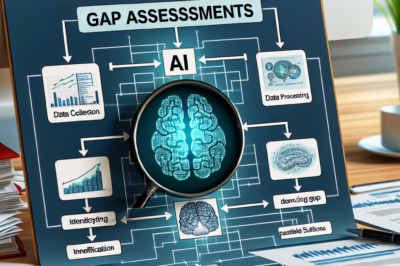
AI-powered compliance strategies revolutionize gap assessments by identifying risks and automating tasks.
Advanced analytics and machine learning are core components of AI in compliance, providing real-time insights and proactive management.
Integrating AI into your compliance framework involves choosing the right tools, training your team, and aligning with existing systems.
AI-driven compliance can navigate challenges like data privacy and ethical concerns, offering a futuristic approach to regulatory adherence.
Examples of successful AI implementations in compliance demonstrate the tangible benefits of this technology.
Why Compliance Is Not Just a Checkbox
Let’s get one thing straight: compliance isn’t just ticking boxes off a list. It’s a critical aspect of business operations, essential for managing risk and maintaining trust. But, traditional methods of compliance are often cumbersome, involving manual labor and a constant struggle to keep up with changing regulations. That’s where AI comes into play, transforming compliance from a reactive necessity to a strategic advantage.
The Real Cost of Ignoring Compliance
Ignoring compliance can lead to serious repercussions, including hefty fines, damaged reputations, and loss of customer trust. It’s not just about avoiding penalties; it’s about setting a standard for your business that aligns with legal and ethical practices. And yet, keeping up can feel like an uphill battle against an avalanche of regulations.
Staying Ahead of the Game with AI
AI-powered compliance strategies are the game-changer we’ve been waiting for. By leveraging AI, we can stay ahead of the curve, ensuring that our compliance efforts are not only up-to-date but also efficient and effective. AI doesn’t just keep us in line; it propels us forward.
Example: A financial institution used AI to scan through transactions and identify patterns indicative of money laundering. This proactive approach not only prevented regulatory breaches but also saved the company millions in potential fines.
Understanding AI in the Compliance Landscape
Defining AI-Powered Gap Assessments
What exactly are AI-powered gap assessments? They are sophisticated analyses that utilize AI to pinpoint where your compliance strategy might be lacking. These aren’t your run-of-the-mill audits; they’re dynamic, data-driven evaluations that evolve alongside your business and the regulatory environment.
How AI Transforms Traditional Compliance Tasks
AI is transforming the way we handle compliance tasks by automating the mundane and illuminating the complex. It’s about turning data into actionable insights, predicting risks before they happen, and freeing up human capital to focus on strategic decision-making.
Core Elements of AI-Powered Compliance Strategies
Advanced Analytics to Uncover Hidden Risks
At the heart of AI-powered compliance is advanced analytics. This isn’t just number-crunching; it’s a deep dive into the data that uncovers risks you didn’t even know existed. It’s the difference between a flashlight and a floodlight when it comes to illuminating the path to compliance.
Machine Learning for Proactive Compliance Management
Machine learning takes AI a step further by not just identifying risks, but also learning from them. This means that your compliance strategy gets smarter over time, adapting to new threats and regulations almost as quickly as they emerge.
Adopting AI to Stay One Step Ahead
Adopting AI isn’t just about keeping pace—it’s about setting the pace. With AI, you’re not just reacting to compliance issues as they arise; you’re anticipating them. This forward-thinking approach is a leap towards not just meeting standards, but exceeding them, and securing a competitive edge in the process.
Implementing AI in Your Compliance Framework
Choosing the Right AI Tools for Your Organization
When it comes to integrating AI into your compliance strategy, the first step is selecting the right tools. Look for solutions that align with your specific needs—ones that can scale with your business and adapt to the ever-changing regulatory landscape. Here’s how you can make a smart choice:
Identify your compliance challenges and objectives.
Research AI tools that specialize in those areas.
Consider the scalability, security, and support offered by the vendor.
Run a pilot program to test the tool’s effectiveness.
Training Your Team for AI-Driven Compliance
With the right tools in hand, the next step is training your team. This isn’t just about teaching them how to use new software; it’s about fostering an AI-driven mindset. Encourage your team to think about compliance as a dynamic, integral part of the business that can benefit greatly from AI’s predictive power and efficiency.

Training Your Team for AI-Driven Compliance
Integrating AI Technology with Existing Systems
Integration is key to a seamless AI transition. The goal is to have your AI tools working in harmony with your existing systems, creating a unified compliance framework. This requires careful planning and often, some technical expertise. But the payoff is a robust, responsive compliance structure that’s more than the sum of its parts.
Success Stories: AI in Action
Sector-Specific Wins with AI Compliance
Different sectors face unique compliance challenges, and AI is proving to be a versatile ally. In healthcare, AI is used to ensure patient data privacy under HIPAA. In finance, AI combats fraud and money laundering. Across every sector, AI is not just solving problems—it’s transforming them into opportunities.
For instance, in the energy sector, an AI system was developed to monitor and predict environmental compliance across multiple sites. This led to a significant reduction in violations and, subsequently, a reduction in fines and legal fees.
In retail, AI is being employed to navigate the complexities of international trade, ensuring compliance with various trade agreements and tariffs. This not only avoids costly penalties but also streamlines operations, saving time and resources.
Example: A leading e-commerce platform implemented AI to automate tax compliance across different regions, handling thousands of transactions per minute. This not only ensured accuracy but also freed up the compliance team to focus on strategic initiatives.
Global Companies Leading with AI-First Approaches
Global companies are at the forefront of the AI compliance revolution. These organizations understand that an AI-first approach isn’t just about technology; it’s about a mindset that embraces innovation and efficiency. By integrating AI into their compliance strategies, these companies are setting new industry standards and reaping the rewards.
One such company, a multinational tech giant, has employed AI to manage compliance across its vast network of services and products. This AI-first strategy has not only reduced the risk of non-compliance but also enhanced the company’s reputation as a leader in ethical business practices.
Navigating Challenges in AI-Driven Compliance
Addressing Data Privacy in AI Implementations
While AI can revolutionize compliance, it also brings challenges, particularly in data privacy. The use of AI must be balanced with the need to protect sensitive information. This means implementing robust data governance policies and ensuring that AI systems are designed with privacy in mind from the outset.
Ensuring Ethical Use of AI in Compliance
Beyond data privacy, the ethical use of AI is paramount. This involves using AI in ways that are fair, transparent, and accountable. It’s about building trust, not just with regulators, but with customers and the public at large. When AI is used ethically, it not only enhances compliance but also reinforces your company’s commitment to doing business the right way.
Most importantly, as you navigate these challenges, keep in mind that AI is a tool to enhance human decision-making, not replace it. It’s there to provide insights and efficiencies, but the ultimate responsibility for compliance rests with us, the humans behind the machines.
Looking to the Future: The Evolving Role of AI in Compliance
Emerging Trends in AI and Compliance
The landscape of compliance is not static; it’s ever-evolving, and AI is the catalyst for the latest wave of transformation. Emerging trends in AI, such as predictive analytics and natural language processing, are paving the way for even more sophisticated compliance mechanisms. These advancements are enabling companies to forecast potential compliance issues and take corrective actions before they become problematic.
Another trend to watch is the integration of blockchain technology with AI for compliance purposes. Blockchain’s inherent features of transparency and immutability make it a valuable tool for maintaining and verifying compliance records, which, when combined with AI’s analytical prowess, creates a formidable defense against non-compliance.
Preparing for the Next Wave of Regulatory Challenges
Regulations will continue to evolve, and with them, the challenges they present. Preparing for this inevitability means not only adopting AI-powered compliance strategies but also fostering a culture of continuous learning and adaptation within your organization. Staying informed about changes in the regulatory environment and being ready to adjust your AI tools accordingly will be key to maintaining compliance in the future.
Frequently Asked Questions (FAQ)
How Does AI Identify Compliance Gaps?
AI identifies compliance gaps by analyzing vast amounts of data against a set of predefined rules and patterns. It can sift through documents, transactions, and other records at incredible speeds to flag anomalies or discrepancies that may indicate a gap in compliance. This process is much faster and more accurate than manual reviews, allowing organizations to address potential issues swiftly.
What Are Common Myths About AI and Compliance?
There are several myths surrounding AI and compliance. Some believe AI is too complex to be useful in compliance, while others fear it will replace human jobs. The truth is, AI is designed to be a tool that enhances human capabilities, not replace them. It streamlines processes and provides insights that can lead to more informed decision-making, but it still requires human oversight and interpretation.
For example, a common myth is that AI can lead to biased decision-making in compliance. However, when properly programmed and monitored, AI can help reduce human biases by consistently applying the same rules and analyses across all data.
Is AI in Compliance Reliable Enough for Sensitive Data?
AI in compliance is indeed reliable enough for sensitive data, provided that it’s designed with robust security measures. Encryption, access controls, and regular audits are just a few ways to ensure that sensitive data remains protected when using AI. Moreover, AI can enhance data security by identifying and responding to threats more quickly than traditional methods.
How Can Small Businesses Benefit from AI-Powered Compliance?
Small businesses might think AI is out of their league, but that’s not the case. There are scalable AI compliance solutions that can fit the needs and budgets of smaller organizations. By automating routine compliance tasks, AI can save small businesses time and resources, allowing them to focus on growth and innovation. Even basic AI tools can provide valuable insights and efficiencies that level the playing field with larger competitors.
What Steps Should Be Taken to Integrate AI into Current Compliance Practices?
To integrate AI into current compliance practices, organizations should take the following steps:
Conduct a thorough assessment of your current compliance processes to identify areas where AI can have the most impact.
Engage with stakeholders across the organization to ensure there is alignment on the objectives and expectations of integrating AI.
Choose AI solutions that are compatible with your existing technology infrastructure to ensure a smooth integration.
Train your team on the new AI tools and create clear protocols for their use in compliance-related tasks.
Monitor the performance of AI systems regularly and be prepared to make adjustments as needed.
By taking these steps, organizations can effectively integrate AI into their compliance practices, leading to enhanced compliance and better overall business performance.
