

Key Takeaways
- AI-driven predictive analytics can significantly reduce retail losses by anticipating and mitigating risks.
- Real-time AI surveillance systems enhance in-store security and prevent theft.
- Intelligent forecasting optimizes inventory levels, preventing both overstock and stockouts.
- Fraud detection software powered by AI improves online transaction security for retailers.
- Case studies demonstrate how retailers are successfully implementing AI for risk management and achieving remarkable results.
Revolutionizing Retail: AI’s Role in Risk Management
Imagine walking into a store where the shelves are always stocked just right, where theft is a rarity, and online transactions are secure and seamless. This isn’t a scene from a futuristic movie—it’s the reality that AI-powered risk management is creating for retailers today. From small boutiques to retail giants, AI is transforming how businesses manage risk, protect assets, and enhance customer experiences.
Reducing Losses with Predictive Analytics
One of the most powerful tools in the AI arsenal is predictive analytics. By analyzing vast amounts of data, AI can forecast trends and identify potential risks before they become problematic. For instance, it can predict which items are likely to be stolen and suggest appropriate preventive measures. It can also forecast demand to ensure that inventory levels are optimal, reducing the risk of both overstock and stockouts.
Enhancing In-store Security with Real-time Surveillance
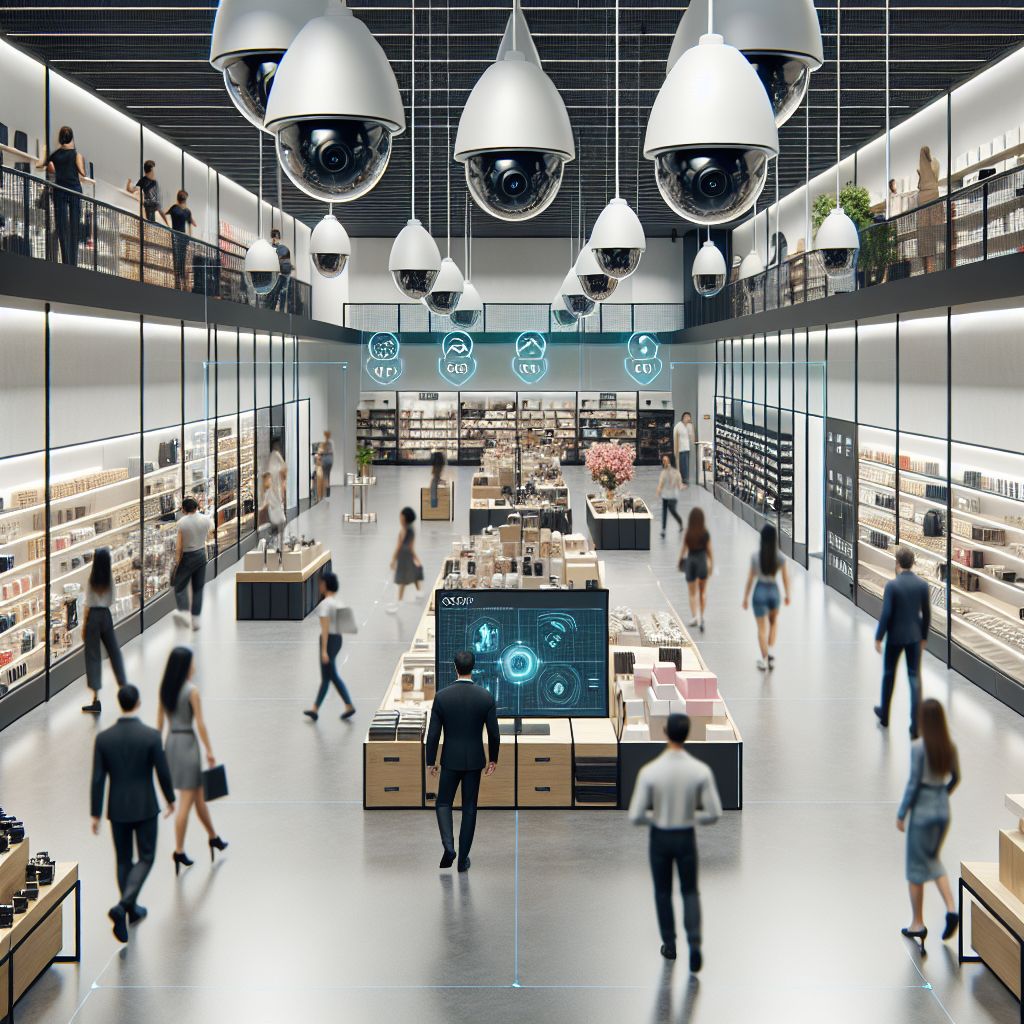
Security cameras are no longer just passive recording devices. With AI, they’re becoming smart systems that can detect suspicious behavior and alert staff in real-time. This technology not only deters potential thieves but also helps in quickly resolving incidents, thus safeguarding merchandise and customers.
But it’s not all about prevention. AI-powered cameras can also provide valuable insights into customer behavior, allowing retailers to optimize store layouts and improve the shopping experience.
Optimizing Inventory with Intelligent Forecasting
Overstocking is as much a risk as stockouts. AI helps retailers strike the perfect balance by accurately predicting inventory needs. It takes into account historical sales data, seasonal trends, and even current events to recommend how much stock to keep on hand. This not only ensures that customers find what they’re looking for but also minimizes the capital tied up in unsold inventory.

Improving Online Security with Fraud Detection Software
In the online world, retail risk management is about more than just inventory—it’s also about securing transactions. AI-powered fraud detection systems analyze purchasing patterns and flag transactions that deviate from the norm, protecting both the retailer and the customer from potential fraud.
Real-world Wins: AI in Retail Risk Mitigation
Let’s take a closer look at how AI is making waves in the retail sector with some real-world success stories. These examples illustrate the transformative power of AI in managing retail risks.
Case Study: Large-Scale Theft Prevention
A major retailer was facing significant losses due to shoplifting and internal theft. After implementing an AI-powered surveillance system, they saw a 25% reduction in theft within the first year. The system’s ability to analyze video feeds in real-time and alert staff to suspicious activity was a game-changer.
Case Study: Supply Chain Optimization in a Retail Giant
For a global retail chain, supply chain inefficiencies were a major risk. By leveraging AI to optimize their supply chain operations, they achieved a 15% improvement in delivery times and a 20% reduction in supply chain costs, significantly boosting their bottom line.
Case Study: Boosting Profit Margins with Dynamic Pricing
A mid-sized retailer used AI to implement dynamic pricing, which adjusted prices in real-time based on demand, competition, and inventory levels. This resulted in a 10% increase in profit margins, demonstrating the power of AI to manage financial risk.
Case Study: Eliminating Online Payment Fraud
An e-commerce platform integrated AI-driven fraud detection software that reduced fraudulent transactions by 30%. Customers felt more secure, and the retailer’s reputation for safe online shopping was greatly enhanced.
Case Study: Cutting Edge Surveillance in Boutique Stores
Boutique stores often struggle with security due to their smaller size and limited resources. However, one boutique implemented an AI surveillance system that not only reduced theft by 40% but also provided insights that helped optimize product placement and store layout.

Getting Started with AI in Retail
To harness the power of AI for retail risk management, the first step is to understand the unique challenges your business faces. This means evaluating your current risk management strategies, identifying areas where AI can bring improvements, and setting clear objectives for what you hope to achieve with AI integration.
It’s important to remember that AI is a tool, not a magic wand. Its success depends on the quality of the data it’s fed and how well it’s tailored to specific retail environments. Therefore, start with a pilot program focusing on a particular area of risk, such as inventory management or fraud detection, to see how AI can make a difference in your operations.
When you’ve seen positive results in a smaller scope, you can then scale up and apply AI solutions to other areas of risk within your retail business.
Evaluating Your Retail Risks
Before diving into AI, take a step back and assess the risks that are most pressing for your retail operation. Is shrinkage due to theft your biggest concern? Or is it inventory mismanagement that’s causing headaches? Maybe it’s online fraud that’s eating into your profits. Understanding where your vulnerabilities lie is crucial to implementing the right AI solutions.
Selecting the Right AI Tools for Your Business
With a clear understanding of your risks, you can now explore the AI tools available. Not all AI is created equal, and the right choice will depend on your specific needs. Do you need predictive analytics to optimize inventory, or are you looking for AI-powered surveillance to prevent theft? It’s essential to choose a solution that aligns with your risk management goals.
Also, consider the scalability and integration capabilities of the AI tools. As your business grows, you’ll want a system that grows with you and integrates seamlessly with your existing technology stack.

Integrating AI Solutions with Existing Systems
Once you’ve selected the appropriate AI tools, the next challenge is integration. AI should enhance your current systems, not complicate them. Work with your IT team or an external provider to ensure that the AI solution fits into your existing infrastructure without causing disruptions to your operations.
Effective integration also means ensuring that data flows smoothly between your AI tools and other systems, enabling real-time analytics and decision-making.
Training Teams for AI Adoption
AI is only as good as the people who use it. Your staff needs to understand how to work with AI tools to maximize their potential. This means investing in training programs that empower your team to make the most of AI’s capabilities. It’s about fostering a culture of innovation where your employees are comfortable using new technologies to manage risks more effectively.
Measuring Impact: Metrics and KPIs
Once AI is up and running in your retail operation, it’s vital to measure its impact. This is where metrics and key performance indicators (KPIs) come into play. They will help you understand whether AI is delivering on its promise and where you may need to make adjustments.
Some KPIs you might consider include reduction in shrinkage, accuracy of inventory forecasting, and the rate of fraudulent transactions detected. These metrics will give you a clear picture of AI’s effectiveness in managing retail risks.
Defining Success in AI Risk Management
Success in AI risk management means different things for different retailers. For some, it might be a significant drop in shoplifting incidents. For others, it could be the ability to predict demand with pinpoint accuracy. Define what success looks like for your business and set measurable goals to track your progress.

“Are You Tracking the Right KPIs? – Gemineye” from knowlton-group.com and used with no modifications.
Key Performance Indicators to Watch
There are several KPIs to keep an eye on when evaluating AI in retail risk management:
- Shrinkage Rate: Monitor any changes in the rate of inventory loss due to theft, fraud, or error.
- Inventory Accuracy: Assess how well your AI system forecasts demand and manages stock levels.
- Fraud Detection Rate: Keep track of the number and value of fraudulent transactions identified and prevented.
- Customer Satisfaction: Don’t forget to measure the impact of AI on the customer experience, as this can indirectly influence risk.
Adjusting Strategies Based on AI Insights
As AI provides you with new insights, be ready to adjust your strategies. The retail landscape is constantly evolving, and AI can help you stay agile. For example, if AI analytics reveal a new theft pattern, you can quickly adapt your security measures to prevent losses.
In the same vein, AI might uncover opportunities for inventory optimization that weren’t previously apparent, allowing you to refine your ordering and stocking strategies for better financial health.
AI-powered retail risk management is a journey, not a destination. As you collect more data and your AI systems learn and improve, you’ll find new ways to enhance your risk management strategies, ensuring your retail business is not only protected but also primed for growth and success.
Frequently Asked Questions (FAQ)
As we embrace AI’s potential in retail risk management, several common questions arise. Let’s address these queries to help you better understand how AI can be effectively implemented in your retail operations.
What Are the First Steps in Implementing AI for Retail Risk Management?
To get started with AI in retail risk management, you should first identify the specific challenges you want to address. Then, research and select AI tools that best fit those needs. It’s essential to start with a pilot project to measure effectiveness before scaling up. Additionally, ensure that your staff is adequately trained to use the new AI tools and integrate the AI solutions with your existing systems for a seamless transition.
How Does AI Reduce Shrinkage in Retail Environments?
AI reduces shrinkage by:
- Providing real-time analytics to detect and prevent theft.
- Optimizing inventory management to prevent overstock and stockouts.
- Enhancing surveillance systems with intelligent video analytics.
- Improving accuracy in demand forecasting to minimize losses.
By leveraging these AI capabilities, retailers can significantly minimize shrinkage and improve their bottom line.
For example, a retailer who implemented AI-based video analytics experienced a noticeable reduction in shrinkage. The system flagged unusual patterns of customer behavior, enabling staff to respond promptly and deter potential theft.
Moreover, AI’s predictive capabilities can forecast potential shrinkage events, allowing retailers to proactively manage risks.
Lastly, AI can streamline inventory management, reducing the likelihood of loss due to product obsolescence or expiration.
One notable success story is that of a grocery chain that used AI to monitor and manage perishable goods. The AI system predicted peak demand periods and optimized stock levels, reducing spoilage-related shrinkage by 20%.
Can Small Retailers Benefit from AI Risk Management?
Absolutely. AI risk management is not exclusive to large retailers. Small retailers can also benefit from AI tools to manage inventory, prevent theft, and enhance customer service. By adopting AI solutions tailored to their scale, small retailers can compete more effectively and secure their market position.
How Do AI Solutions Handle Data Security and Privacy?
AI solutions handle data security and privacy by adhering to stringent data protection standards and using advanced encryption methods. It’s vital for retailers to choose AI solutions that comply with regulations like GDPR and to be transparent with customers about how their data is used.
What Are the Cost Implications of Integrating AI into Retail Risk Management?
Integrating AI into retail risk management can vary in cost, but it is often a worthwhile investment. Initial expenses include the purchase of AI software or services, integration costs, and potential upgrades to existing systems. However, the long-term savings from reduced shrinkage, optimized inventory, and improved efficiency can far outweigh the initial outlay.
For instance, an investment in AI-powered inventory management software might seem substantial upfront, but the reduction in carrying costs and improved stock turnover can quickly recover these costs.
Future-Proof Your Retail Business with AI
As we look towards the future, AI will continue to play a pivotal role in retail risk management. Staying ahead of the curve means continuously investing in AI development and fostering a culture of innovation to address emerging risks.
Staying Ahead: The Future of AI and Retail Risk
The retail industry is ever-evolving, and so are the risks associated with it. AI will be central to managing these risks, offering predictive insights and automating complex processes. Retailers who embrace AI will not only safeguard their assets but also enhance their strategic decision-making, staying ahead in a competitive landscape.
Investing in Continuous Learning and AI Development
To maintain a competitive edge, it’s crucial to invest in ongoing AI development and employee education. As AI technology advances, staying updated on the latest trends and tools will enable you to continually refine your risk management strategies.
- Allocate a budget for AI research and development.
- Encourage continuous learning among your team members.
- Attend industry conferences and workshops on AI in retail.
Moreover, building partnerships with AI technology providers can offer access to cutting-edge solutions and expertise.
Creating a Culture of Innovation to Handle Emerging Risks
Fostering a culture of innovation is key to navigating the changing risk landscape. Encourage your team to think creatively, experiment with new AI applications, and learn from both successes and failures. This proactive approach to risk management will empower your business to respond swiftly to new challenges.
In conclusion, AI-powered retail risk management is not just about leveraging technology; it’s about adopting a forward-thinking mindset that embraces change, values data-driven decision-making, and continuously seeks improvement. By following the strategies outlined in this article and learning from the success stories of others, you can set your retail business on a path to enhanced security, efficiency, and profitability.
