
When it comes to ensuring your organization stays on the right side of regulations, there’s no room for error. But let’s face it, compliance isn’t just about ticking boxes; it’s about understanding where you stand and where the gaps lie. That’s where AI-powered compliance gap assessment tools come into play, offering a precision and efficiency that manual methods can’t match. So, let’s dive into how these tools can help you close those gaps and stay ahead of the compliance curve.
Key Takeaways
AI compliance gap tools automate the detection of regulatory discrepancies, saving time and reducing human error.
Choosing the right tool requires understanding your organization’s specific compliance needs and regulatory environment.
Compliance gap assessments are essential to identify areas of non-compliance and mitigate risks before they escalate.
Tools like Vanta, Drata, and Sprinto lead the market in AI compliance gap analysis, each with unique features.
A step-by-step guide for implementing AI compliance tools can streamline the transition and ensure proper usage.
Closing the Loop on Compliance: AI-Powered Tools at Your Service
Imagine having a trusty sidekick that never sleeps, tirelessly scanning through your compliance requirements and flagging any areas that need your attention. That’s essentially what AI compliance tools do. They work around the clock, analyzing vast amounts of data to identify potential risks and help you focus on what matters most—keeping your business safe and compliant.
The Critical Role of AI in Compliance Management
AI has transformed the landscape of compliance management. By leveraging machine learning algorithms, these tools can predict and identify compliance issues before they become costly problems. They streamline the process, reduce the workload on your team, and most importantly, they help you avoid the consequences of non-compliance, such as fines, legal issues, and damage to your reputation.
Selecting the Right Tool for Your Compliance Needs
Selecting an AI compliance tool isn’t a one-size-fits-all scenario. You need to consider factors like the size of your organization, the complexity of the regulatory environment you operate in, and the specific areas of compliance that are most relevant to your business. It’s about finding the tool that aligns with your needs and can adapt as those needs evolve.

“compliance assessment and gap analysis” from www.v-comply.com and used with no modifications.
The Essentials of Compliance Gap Assessments
At the heart of any effective compliance strategy is the gap assessment. This process involves a thorough review of your current compliance status and the identification of areas where you’re falling short. By pinpointing these gaps, you can take proactive steps to address them, reducing the risk of non-compliance and the associated penalties.
Identifying Potential Gaps in Your Current System
So, how do you spot the gaps? It starts with a clear understanding of your regulatory requirements. From there, AI tools can help you map out your current processes and compare them against those requirements. They look for discrepancies and highlight areas where your practices don’t align with the regulations. This insight is invaluable, as it allows you to focus your efforts on the areas that need the most attention.
Leading AI Compliance Gap Assessment Tools
Vanta
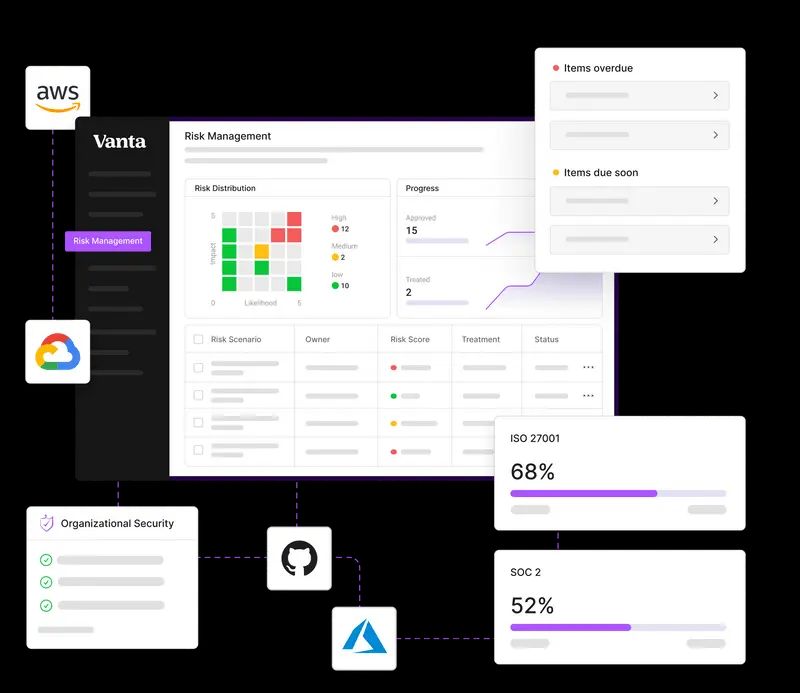
One of the standout features of VANTA AI is its ability to monitor your compliance status in real time. This isn’t just about checking boxes; it’s about providing a continuous, up-to-the-minute view of your compliance posture. Think of it as having a vigilant guardian watching over your business, ready to alert you at the first sign of trouble.
Sprinto
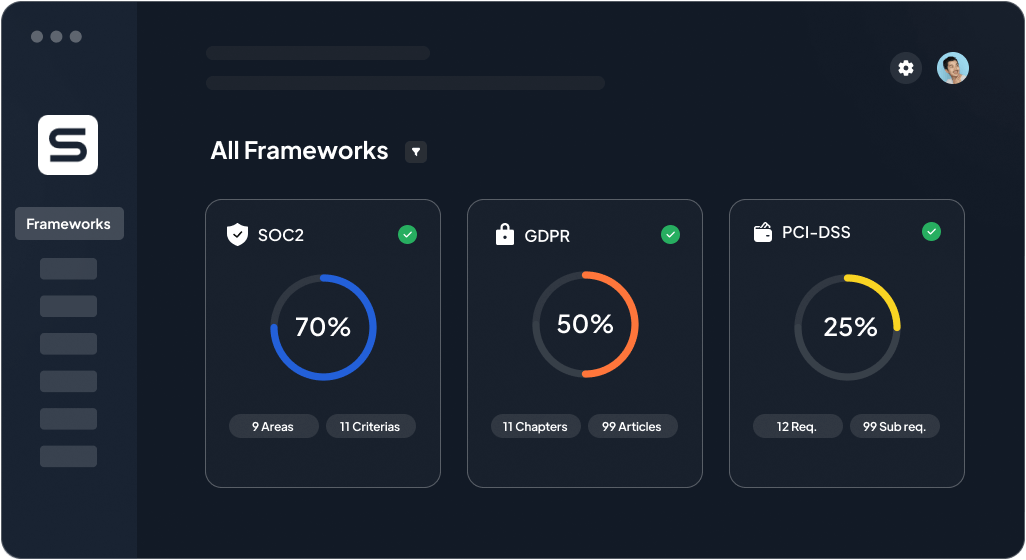
Sprinto is like the Swiss Army knife of compliance tools. It’s designed to be a comprehensive solution that not only helps you identify compliance gaps but also guides you through the remediation process. With its user-friendly dashboard and automated workflows, Sprinto simplifies the complex world of compliance, making it accessible even to those who aren’t experts.
“Features – Sprinto” from sprinto.com and used with no modifications.
Scrut
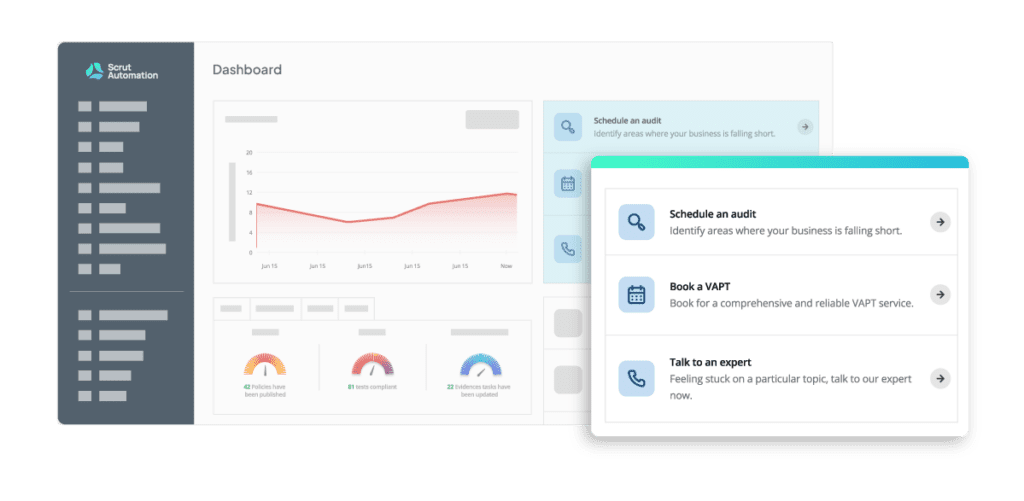
Scrut is all about providing clarity and control over your compliance status. It excels in real-time monitoring, giving you instant insights into where you stand with your compliance goals. Scrut’s powerful analytics engine can sift through data to reveal patterns and trends, helping you to not just respond to compliance issues but also anticipate them.
“Get ISO 27001 audit ready in 2 weeks …” from www.scrut.io and used with no modifications.
Apptega
Apptega takes a holistic approach to compliance management. It’s not just a tool; it’s a platform that integrates with your existing systems to provide a centralized view of your compliance posture. With Apptega, you can manage policies, track controls, and generate reports, all within a framework that’s tailored to the specific regulations you need to comply with.
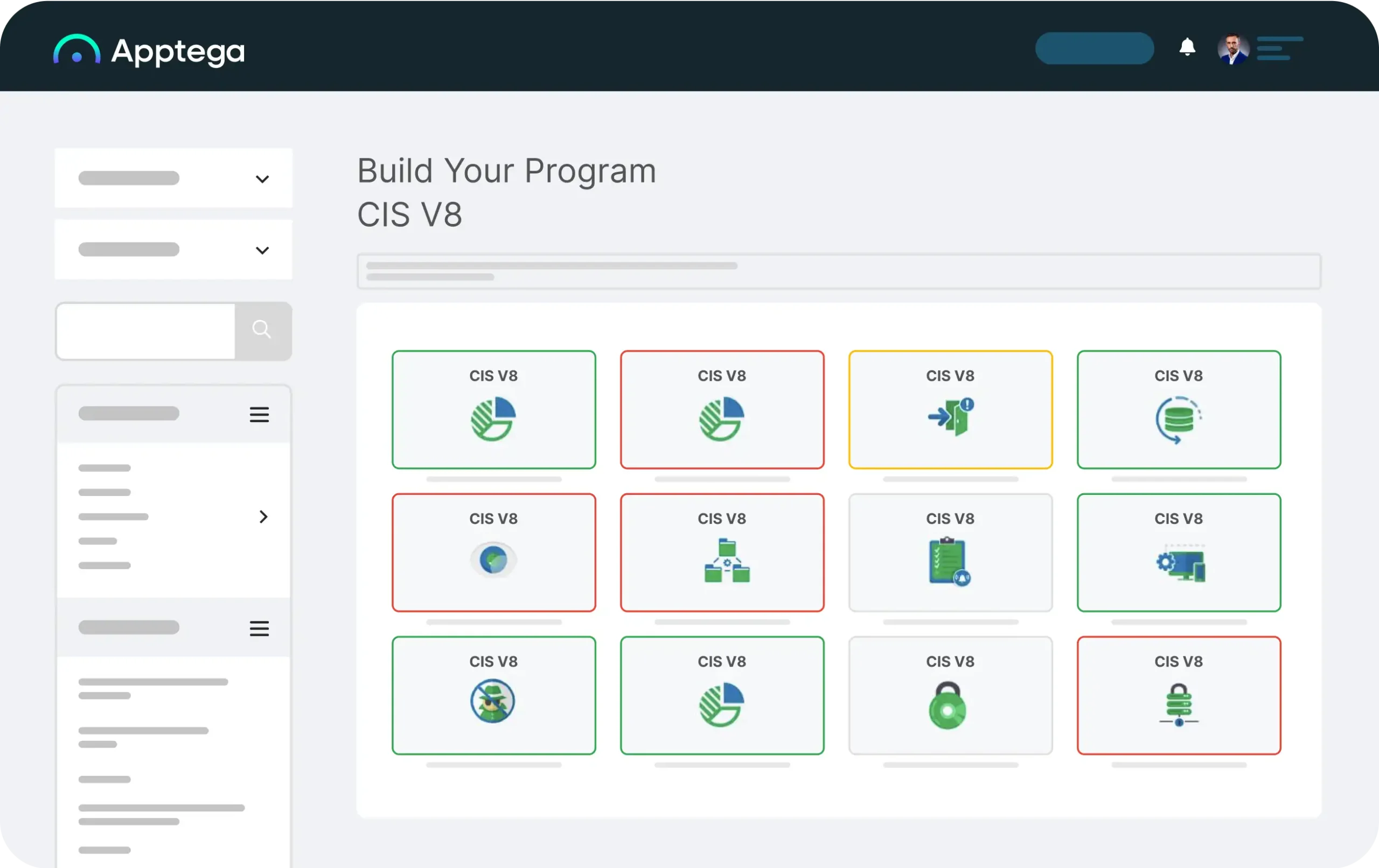
“Cybersecurity Compliance Software” from www.apptega.com and used with no modifications.
Secureframe
Secureframe focuses on streamlining the compliance process for high-growth companies. It offers integrations with popular third-party services, which means it can pull in data from various sources to give you a comprehensive overview of your compliance landscape. Secureframe is particularly adept at handling the complexities of SOC 2 and ISO 27001 certifications.
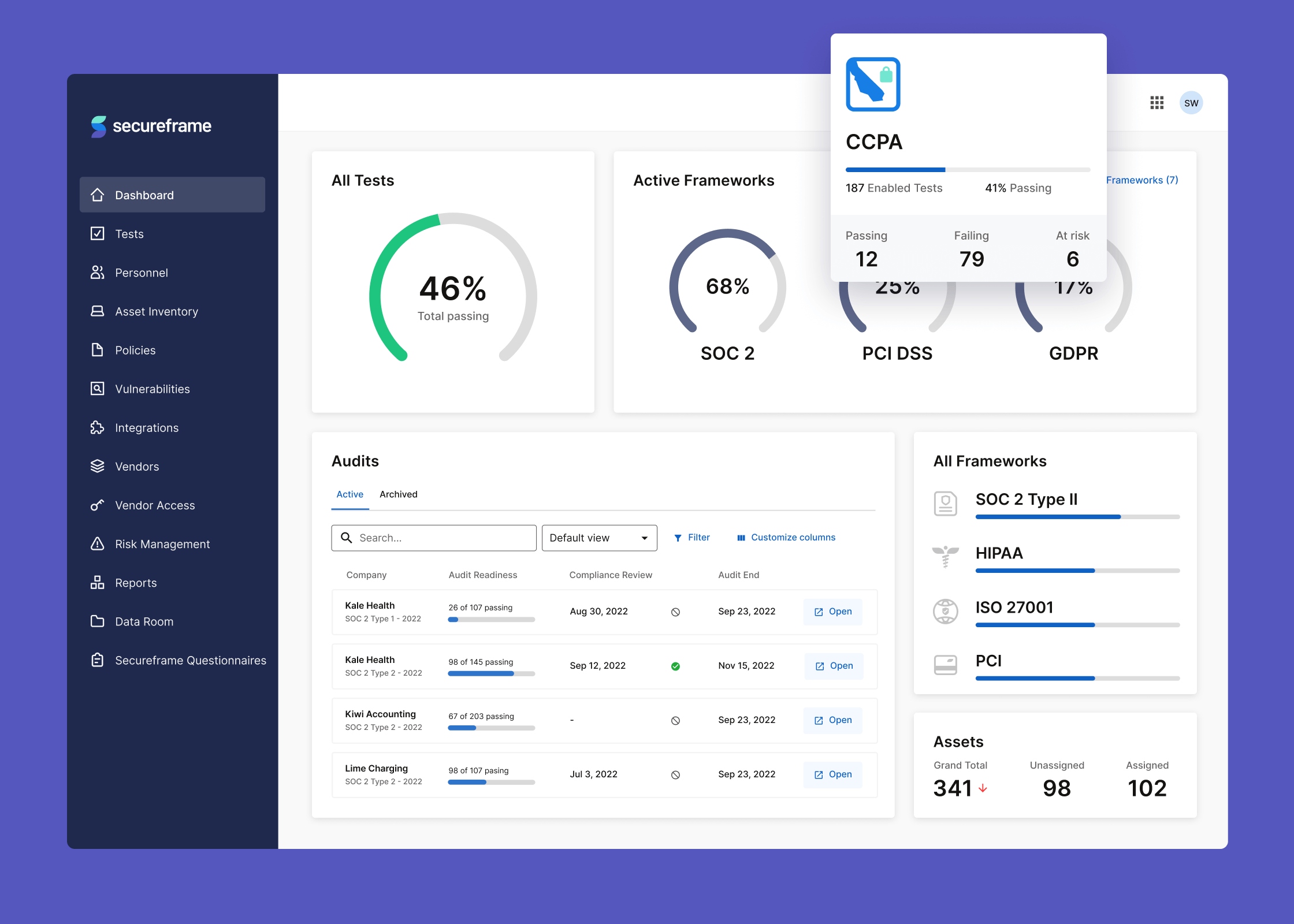
“Secureframe” from www.ivanannikov.com and used with no modifications.
Deploying AI Compliance Tools: Step-by-Step Guide
Initial Setup: Configuring the AI to Your Regulations
The first step in deploying an AI compliance tool is configuration. This involves setting up the tool to understand the specific regulations and standards that apply to your business. It’s crucial to ensure that the tool is fine-tuned to your industry’s requirements to get accurate assessments.
Example: When configuring an AI tool for GDPR compliance, you’ll need to input the types of personal data you handle, the processes you have in place for data protection, and the consent mechanisms you use. This allows the AI to accurately assess your compliance with GDPR requirements.
Training Your Team on AI Compliance Tool Usage
Once the AI tool is configured, the next step is to train your team on how to use it. This training should cover how to interpret the tool’s findings, how to manage alerts, and how to use the tool’s features to support ongoing compliance efforts. Remember, the goal is to empower your team to use the tool effectively, not to replace them.
Training should be hands-on, with practical exercises that mimic real-life scenarios. This will help your team understand not just the ‘how’ but also the ‘why’ behind the tool’s operations.
For example, running a mock assessment can help your team get comfortable with navigating the dashboard, responding to alerts, and identifying false positives. By simulating a real compliance scenario, your team will gain the confidence and knowledge they need to handle the real thing.
Maintaining Transparency and Governance with AI
Transparency and governance are key when it comes to AI-powered tools. You need to maintain a clear record of what the AI is doing and why. This means setting up audit trails, ensuring there’s a clear line of accountability, and regularly reviewing the AI’s performance to ensure it’s operating within the expected parameters.
It’s also important to have a governance framework in place that defines how decisions are made based on the AI’s findings. This helps avoid any potential ethical or legal issues that could arise from relying too heavily on AI without proper oversight.
Building the Compliance Framework of Tomorrow
Looking ahead, AI compliance tools aren’t just about solving today’s problems. They’re about building a framework that can adapt to tomorrow’s challenges. With regulations constantly evolving, AI tools are designed to learn and adapt over time. They can update their knowledge base as new regulations come into effect, ensuring that your compliance framework is always up-to-date and forward-looking.

Frequently Asked Questions (FAQ)
As you explore the world of AI compliance tools, questions are bound to arise. Let’s address some of the most common queries to give you a clearer understanding of how these tools fit into the broader compliance landscape.
Can AI Compliance Tools Replace Human Oversight?
AI compliance tools are powerful, but they’re not a replacement for human oversight. Instead, think of them as a complement to your team’s efforts. They handle the heavy lifting of data analysis, allowing your compliance professionals to focus on strategic decision-making and nuanced issues that require human judgment.
What Are the Main Regulatory Areas Where AI Compliance Can Help?
AI compliance tools can be particularly helpful in areas like data protection (GDPR), financial regulations (SOX, MiFID II), healthcare compliance (HIPAA), and cybersecurity standards (ISO 27001, NIST). Essentially, any area with complex and extensive regulations is where AI can make a significant impact.
How Do AI Compliance Tools Stay Updated with New Regulations?
AI compliance tools stay updated through a combination of machine learning algorithms and regular updates from their developers. They’re designed to ingest new information, learn from it, and apply it to their existing knowledge base, ensuring that your compliance framework remains current.
Is There a Risk of Bias in AI Compliance Decisions?
While AI can greatly reduce the risk of human error, it’s not immune to bias, especially if the data it’s trained on is biased. It’s essential to monitor the tool’s decisions, provide diverse training data, and have checks in place to identify and correct any biases that may arise.
What’s the First Step in Implementing an AI Compliance Tool?
The first step is to assess your needs and choose the right tool for your organization. From there, configure the tool to your specific regulations, train your team, and establish governance protocols to ensure transparency and accountability.
In conclusion, AI compliance gap tools are revolutionizing the way organizations manage their compliance programs. They offer a level of precision, efficiency, and foresight that manual methods simply can’t match. By choosing the right tool, properly configuring it, and training your team, you can leverage AI to not only close compliance gaps but also build a robust, future-proof compliance framework. Remember, the goal is to empower your compliance professionals, giving them the tools they need to protect and elevate your organization.

Leave a Reply